Pterosaurs / Short-tailed pterosaurs
Ctenochasma
Pterosaur Late JurassicEarly Cretaceous
Ctenochasma was a short-tailed pterosaur, a flying reptile that lived in the Late Jurassic and Early Cretaceous, 149 to 137 million years ago. It was not a dinosaur.
- Wingspan
- 1.9 m
- Lived
- 149 to 137 million years ago
- Fossil finds
- 7

Size
The size of Ctenochasma
Outline of Pteranodon longiceps, standing in as a general pterosaur shape with its wings spread, scaled so its width matches the estimate. A posed outline makes the comparison approximate.
Its wings are estimated to have spanned 1.9 m (6.2 ft), about as wide as an adult person is tall.
Wingspan: Benson and others, pterosaur wingspan data, CC0, read 2026-11-15.
Name
Name and family
The genus was named by Meyer in 1851.
The Paleobiology Database lists 4 species: Ctenochasma elegans, Ctenochasma porocristata, Ctenochasma roemeri and Ctenochasma taqueti.
It is classed as a piscivore, a diet the database records for Pterosauria as a whole.
It is one of 86 short-tailed pterosaurs in the Paleobiology Database.
Family tree
- Pterosauria
- Pterodactyloidea
- Lophocratia
- Ctenochasma
Fossils
Where Ctenochasma has been found
Seven fossil finds of Ctenochasma are recorded, in Germany and France.
Most come from Germany (6 of 7).
The finds come from 3 rock formations, most often the Solnhofen Formation (5).
When Ctenochasma lived, these sites lay near 41 degrees north; today they are near 49 degrees north.
On the atlas's maps its finds appear at 150 and 140 million years ago.
| Place | Finds | |
|---|---|---|
| Germany | 6 | |
| France | 1 |

Neighbours
Its world
Its closest relatives in this atlas are Gnathosaurus, Huanhepterus and Pterodaustro.
Found in the same rocks
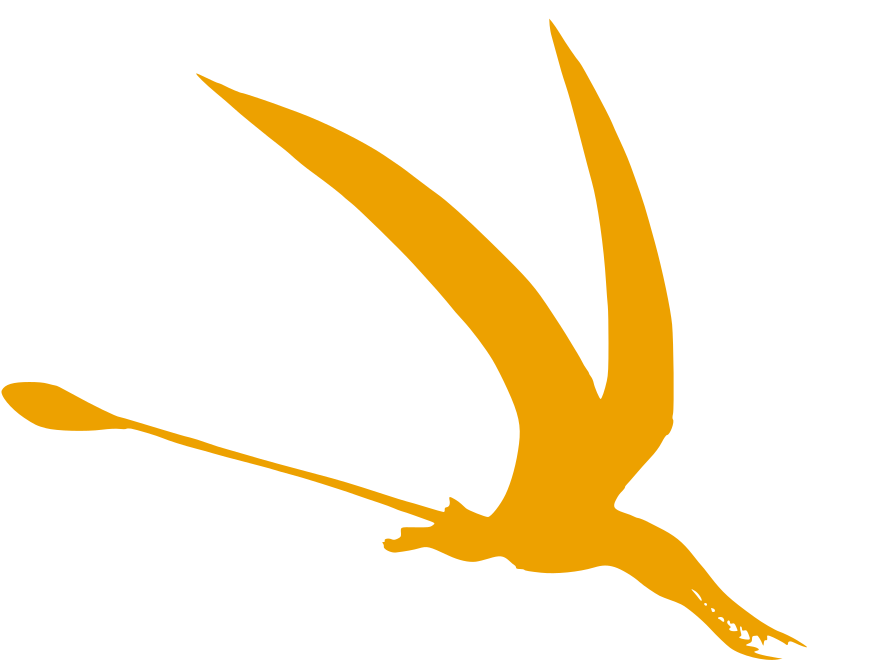 RhamphorhynchusLong-tailed pterosaurs
 PterodactylusLong-tailed pterosaurs
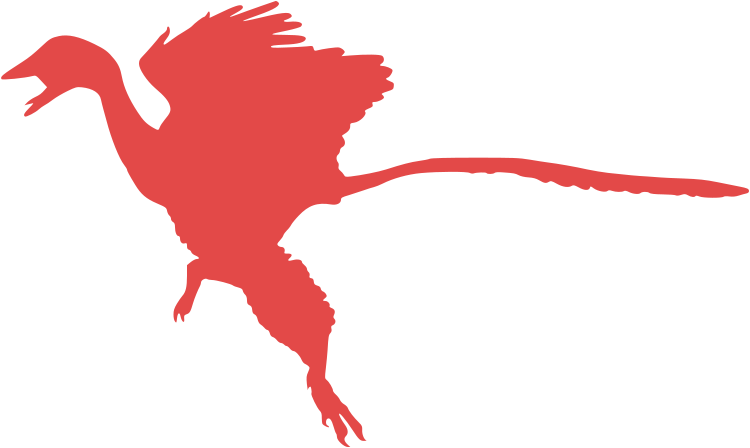 ArchaeopteryxEarly birds
- GermanodactylusShort-tailed pterosaurs
- ArdeadactylusShort-tailed pterosaurs
- GnathosaurusShort-tailed pterosaurs
- CycnorhamphusShort-tailed pterosaurs
Closest relatives
Sources
Fossil records were read from the Paleobiology Database on 2026-11-16. Ctenochasma in the Paleobiology Database (CC0).
Ancient map: Scotese and Wright 2018, PALEOMAP PaleoDEMs, doi:10.5281/zenodo.5460860, CC BY 4.0, redrawn as shaded relief.
Outline: Pteranodon longiceps, PhyloPic, CC0.
The size drawing uses the outline of Pteranodon longiceps, standing in as a general pterosaur shape with its wings spread; no openly licensed outline of Ctenochasma in a pose that can be measured was found.