Dinosaurs / Nodosaurs
Edmontonia
Dinosaur Late Cretaceous
Edmontonia was a nodosaur that lived in the Late Cretaceous, 84 to 66 million years ago.
- Length
- 4 m
- Mass
- 2.3 tonnes
- Lived
- 84 to 66 million years ago
- Fossil finds
- 16

Size
The size of Edmontonia
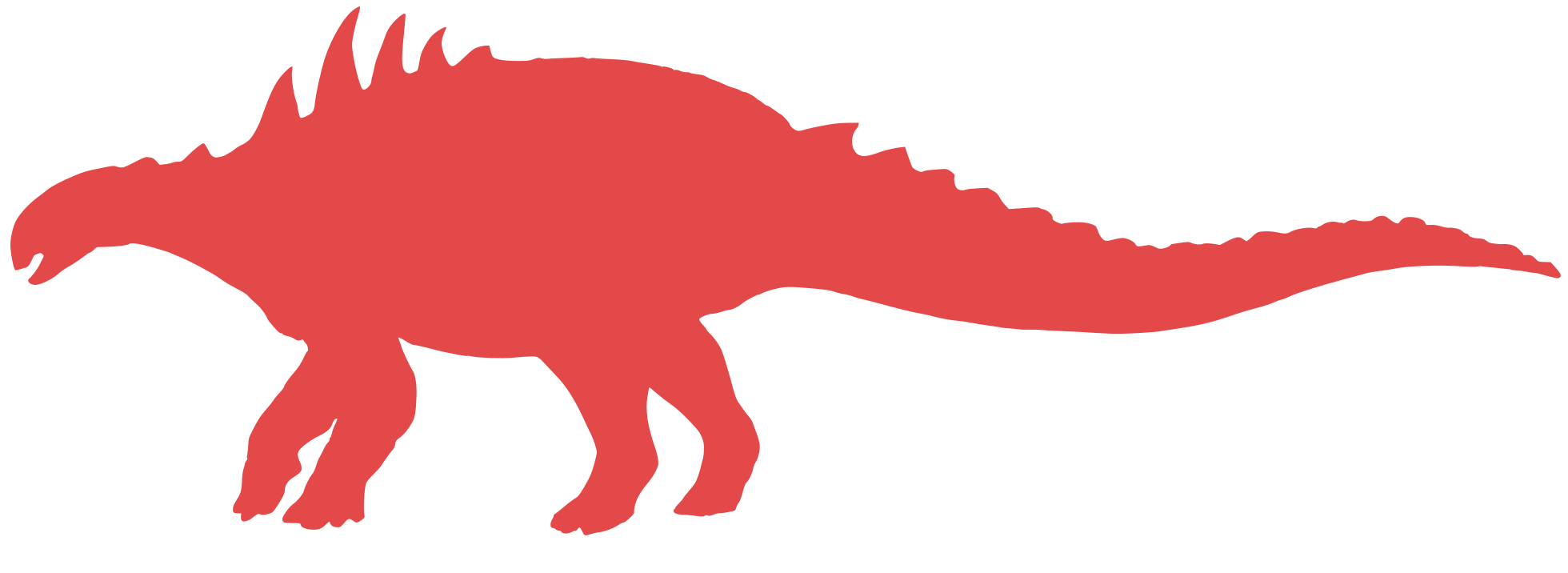
Outline of Ankylosaurus magniventris, standing in as a general nodosaur shape, scaled so its length matches the estimate. A posed outline makes the comparison approximate.
- 2xas long as an adult person is tall
- 5horses
- 7thlongest of 10 nodosaurs measured here
The largest Edmontonia on record is estimated at 4 m (13 ft) long, about 2 times as long as an adult person is tall.
Its body mass is estimated at 2.3 tonnes (2.5 short tons), about as heavy as 5 horses.
By length it ranks 7 of the 10 nodosaurs measured in this atlas.
Mass: Benson and others, body mass data, CC0, read 2026-11-15. Length: Wikidata (its stated reference: the Natural History Museum, London, Dino Directory), CC0, read 2026-11-15.
Name
Name and family
The genus was named by Sternberg in 1928.
Its one listed species is Edmontonia longiceps.
It is classed as a herbivore, a diet the database records for Ornithischia as a whole.
It is one of 31 nodosaurs in the Paleobiology Database.
Family tree
- Genasauria
- Thyreophora
- Thyreophoroidea
- Eurypoda
- Ankylosauria
- Euankylosauria
- Nodosauridae
- Edmontonia
Fossils
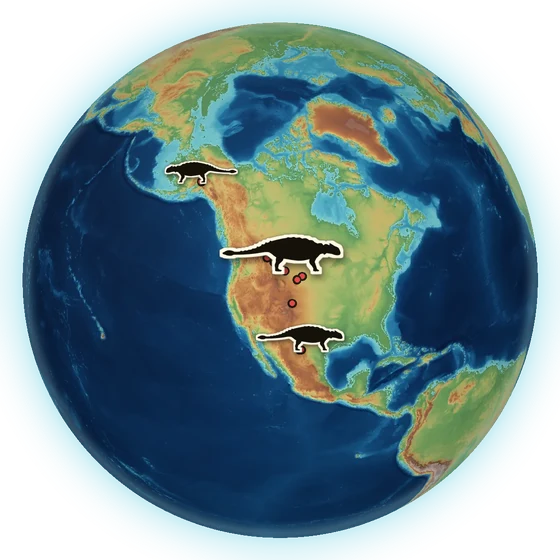
Where Edmontonia has been found
16 fossil finds of Edmontonia are recorded, in the United States and Canada.
Most come from the United States (11 of 16).
In the United States it has been found in Montana, Texas, Colorado, South Dakota and Alaska.
The finds come from 10 rock formations, most often the Judith River Formation (3).
When Edmontonia lived, these sites lay near 52 degrees north; today they are near 45 degrees north.
On the atlas's maps its finds appear at 80 and 70 million years ago.
| Place | Finds | |
|---|---|---|
| United States | 11 | |
| Canada | 5 |
Rock formations Judith River Formation3Aguja Formation3Hell Creek Formation2Denver Formation2St. Mary River Formation1Lance Formation1
Neighbours
Its world
Its closest relatives in this atlas are Hoplitosaurus, Hylaeosaurus and Nodosaurus.
Found in the same rocks
 TroodonTroodontids
 OrnithomimusOstrich mimics
 SaurornitholestesRaptors
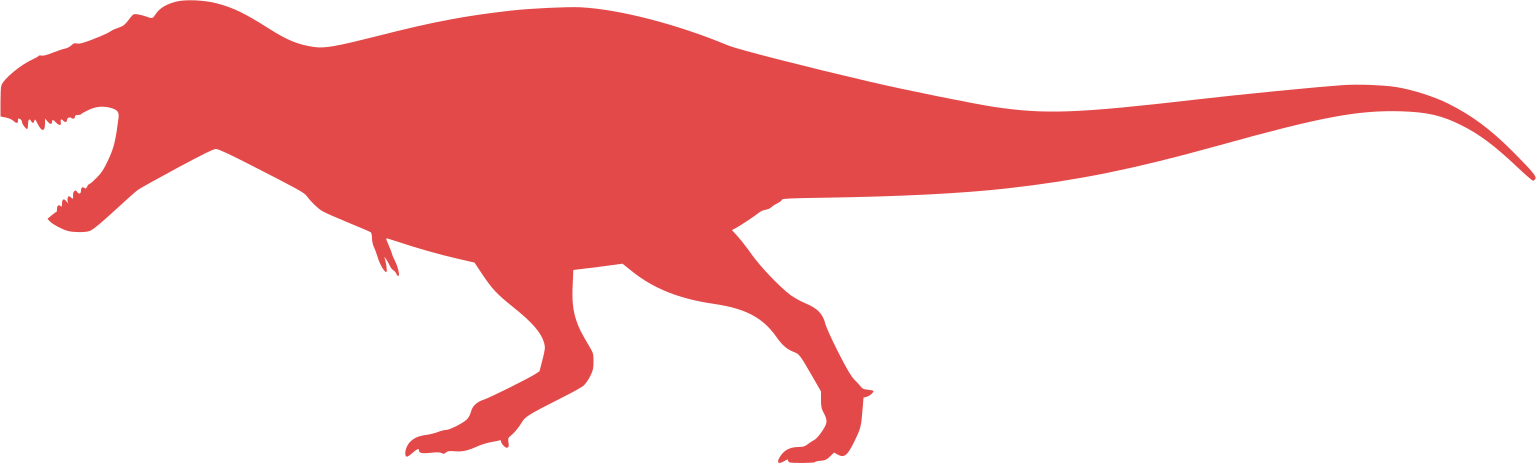 TyrannosaurusTyrannosaurs
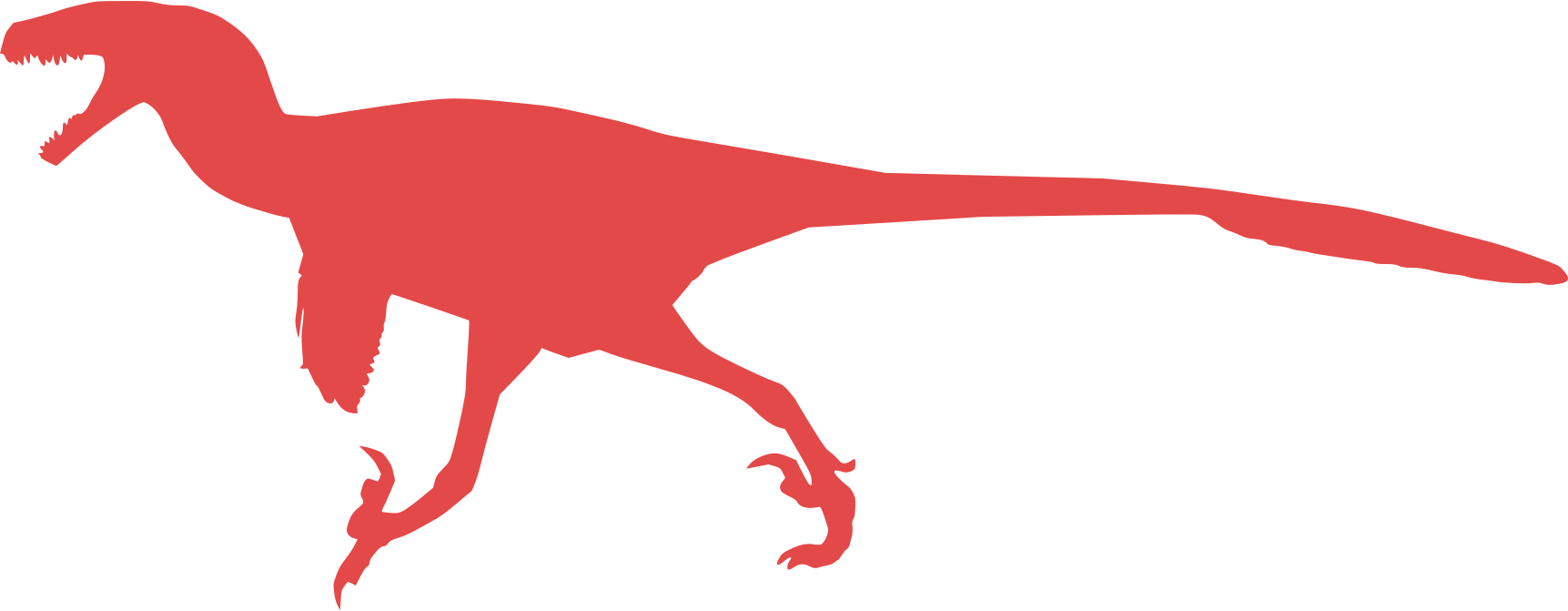 DromaeosaurusRaptors
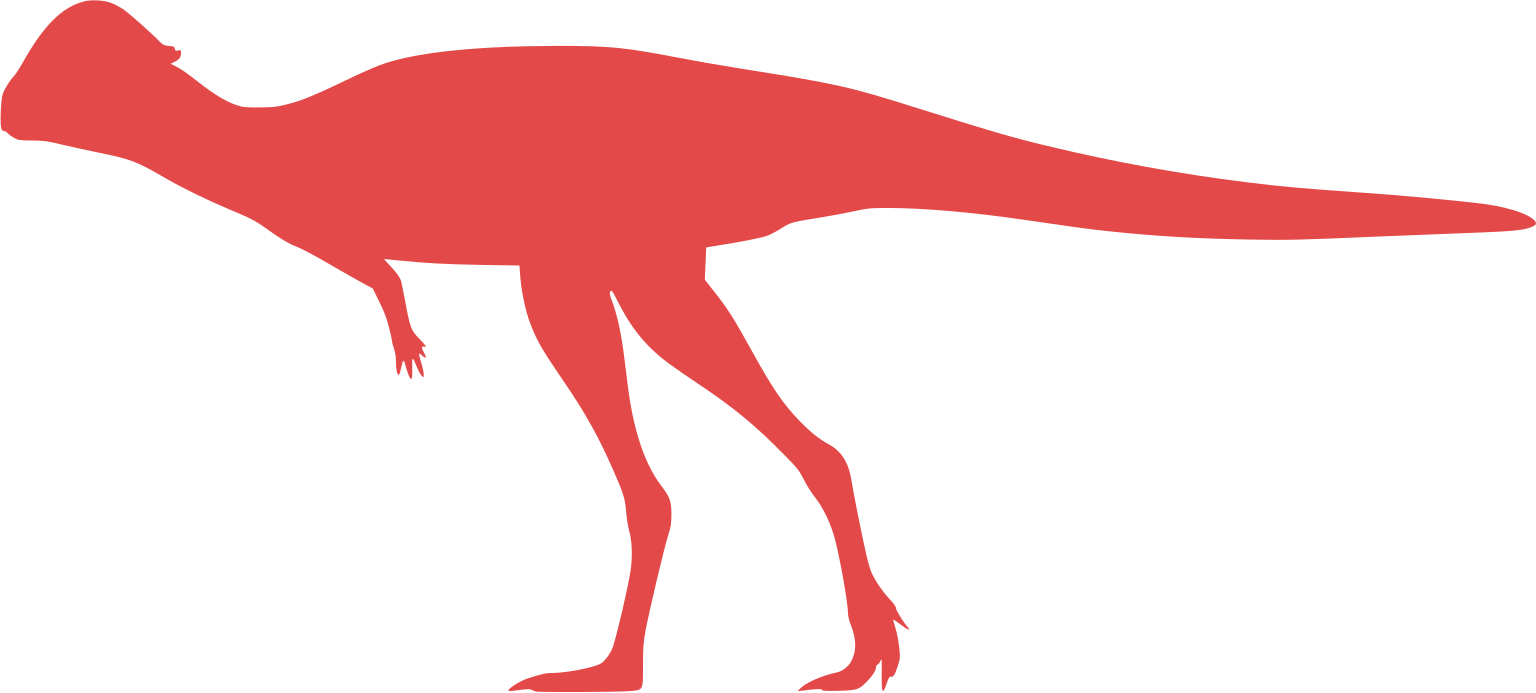 StegocerasDome-headed dinosaurs
 TriceratopsHorned dinosaurs
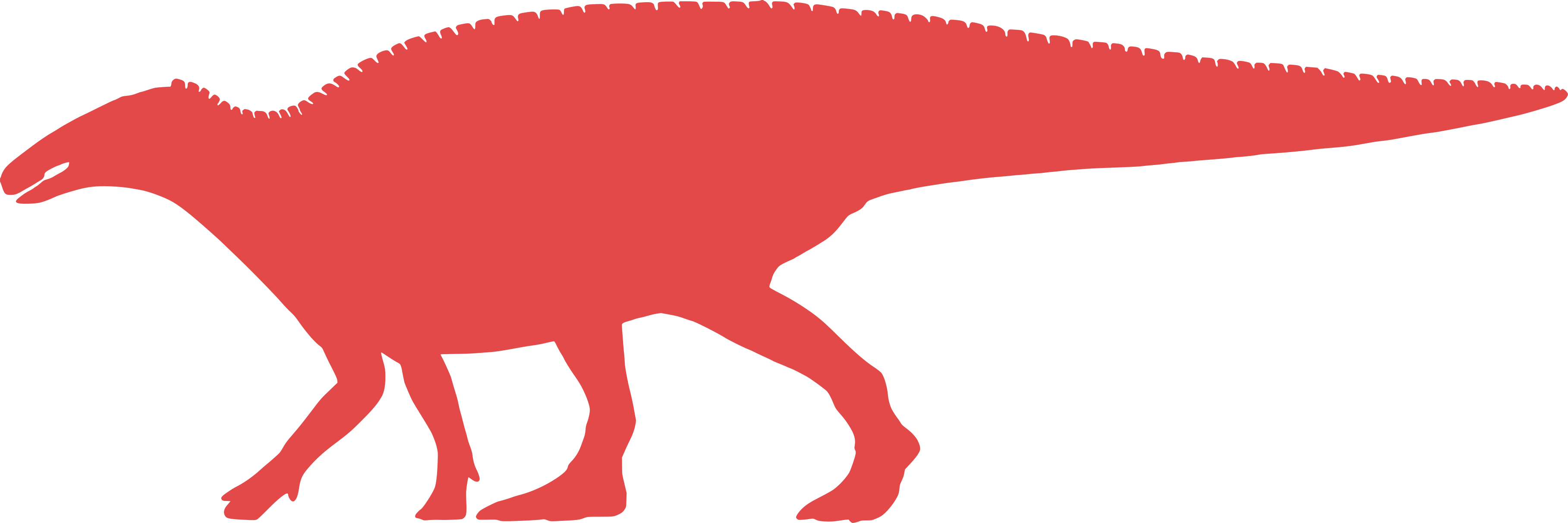 EdmontosaurusDuck-billed dinosaurs
Closest relatives
 Polacanthus
Sources
Fossil records were read from the Paleobiology Database on 2026-11-16. Edmontonia in the Paleobiology Database (CC0).
Ancient map: Scotese and Wright 2018, PALEOMAP PaleoDEMs, doi:10.5281/zenodo.5460860, CC BY 4.0, redrawn as shaded relief.
Outline: Ankylosaurus magniventris, PhyloPic, CC0.
The size drawing uses the outline of Ankylosaurus magniventris, standing in as a general nodosaur shape; no openly licensed outline of Edmontonia in a pose that can be measured was found.